Industrial Milk Powder Supplier: 11 Types, Uses, Quality Standards & Buying Guide
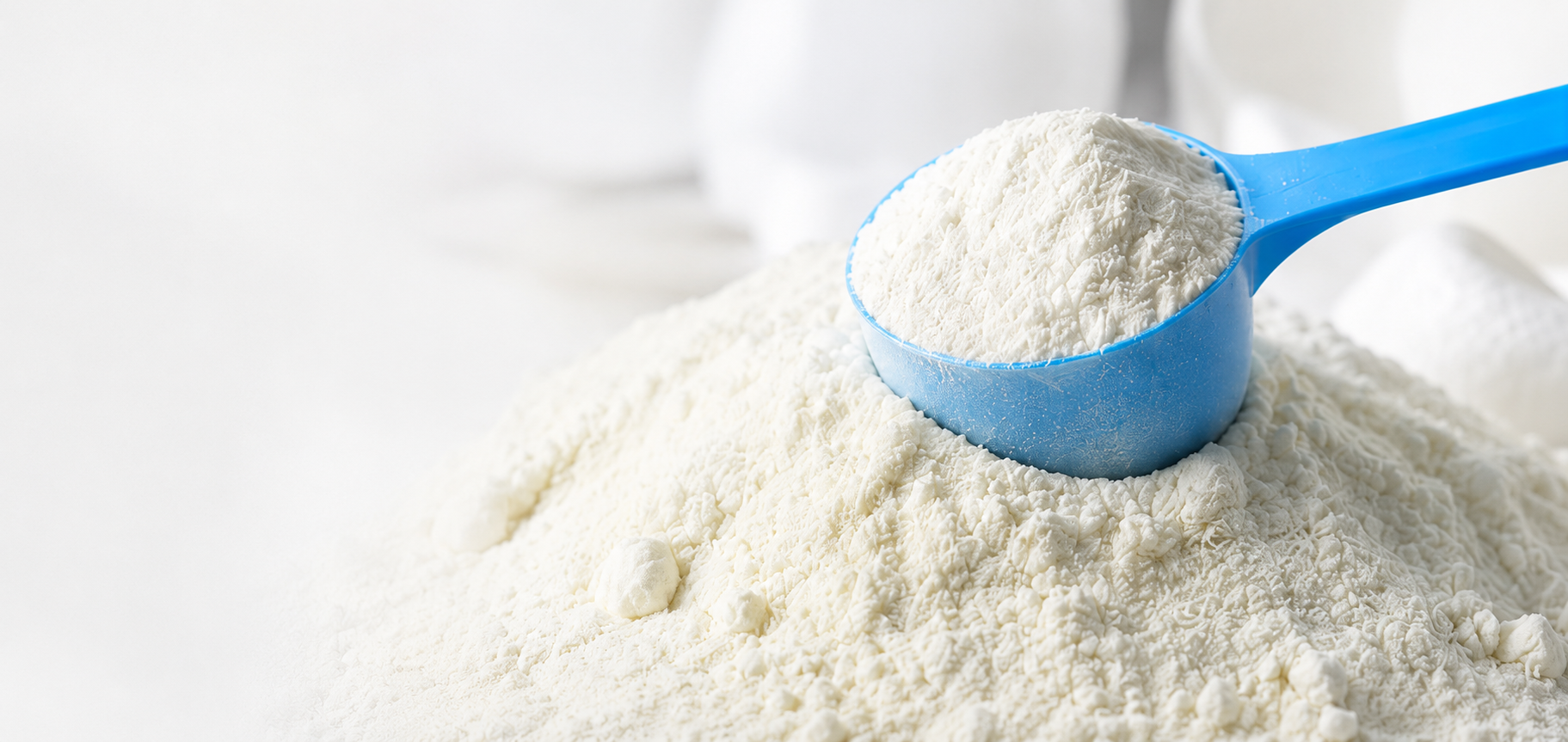
Industrial milk powder is a concentrated dairy ingredient made by removing most of the water from milk. It is widely used by food manufacturers in bakery, chocolate, confectionery, ice cream, dairy beverages and other processed foods. The main types include skim milk powder, whole milk powder and instant milk powder.
Industrial milk powder is one of the most important dairy ingredients used by food manufacturers worldwide. Produced by removing most of the water from milk, milk powder provides a concentrated, convenient and versatile source of dairy solids for bakery, confectionery, chocolate, ice cream, beverage and other food manufacturing applications.
For manufacturers and international buyers, choosing the right milk powder involves much more than comparing prices. Protein content, milk fat, moisture, solubility, heat treatment, microbiological quality, packaging, shelf life and supply consistency can all influence the performance of milk powder in industrial production.
What Is Industrial Milk Powder?
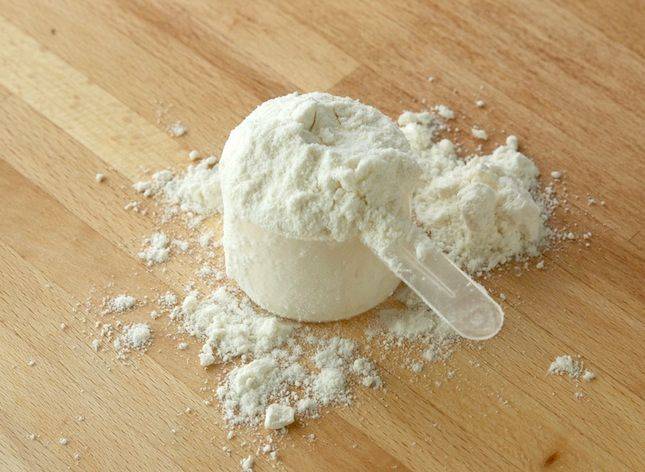
Depending on its composition and processing characteristics, industrial milk powder can be used to provide dairy solids, milk proteins, lactose, minerals, milk fat and other functional properties to a wide range of food products.
Industrial milk powder is mainly used by food manufacturers as a stable and concentrated dairy ingredient. The most common types include skim milk powder, whole milk powder and instant milk powder.
What Is Industrial Milk Powder?

Industrial milk powder is a concentrated dairy product manufactured from milk by removing most of its natural water content. The resulting powder is easier to store, transport and incorporate into industrial food formulations than liquid milk.
Milk powder is particularly important in international food ingredient trade because reducing water content decreases the volume and weight of the product compared with fresh milk.
According to the Codex Alimentarius Standard for Milk Powders and Cream Powder, milk powder is a milk product obtained through the partial removal of water from milk or cream.
Industrial milk powder is generally supplied in bulk packaging to food manufacturers, dairy processors, bakeries, confectionery companies, beverage producers and ingredient distributors.
Why Is Industrial Milk Powder Important for the Food Industry?
Fresh milk is highly perishable and contains a large quantity of water. For manufacturers purchasing dairy ingredients over long distances, transporting liquid milk can create significant logistical challenges.
Milk powder provides a practical alternative because it is concentrated and can be stored under appropriate conditions without the same refrigeration requirements as fresh milk.
Key Advantages of Industrial Milk Powder
- Convenient transportation: Lower water content makes long-distance transportation more practical.
- Efficient storage: Powder requires less space than an equivalent quantity of liquid milk.
- Formulation flexibility: Manufacturers can accurately incorporate powdered dairy solids into recipes.
- Consistent ingredient supply: Bulk milk powder can support continuous industrial production.
- Wide range of applications: Milk powder is suitable for numerous food manufacturing sectors.
Types of Industrial Milk Powder
The most common types include:
- Skim milk powder
- Whole milk powder
- Partly skimmed milk powder
- Instant milk powder
- Fat-filled milk powder
- Specialized dairy powders
The correct product depends on the final application, formulation, nutritional requirements and desired processing characteristics.
Skim Milk Powder
Skim milk powder (SMP) is one of the most widely used industrial dairy ingredients. It is manufactured from skimmed milk and contains significantly less milk fat than whole milk powder.
Skim milk powder is especially useful when manufacturers require milk proteins and non-fat milk solids without adding a high level of milk fat.
Common Applications of Skim Milk Powder
- Bakery products
- Biscuits and cookies
- Cakes and pastries
- Chocolate and confectionery
- Ice cream
- Yogurt and dairy products
- Dairy beverages
- Processed food products
- Recombined dairy products
The exact specification of skim milk powder should be selected according to the intended application. Protein level, heat classification, solubility, moisture and microbiological characteristics can all influence performance.
Whole Milk Powder
Whole milk powder contains a considerably higher level of milk fat than skim milk powder. It provides a richer dairy flavor and can contribute creaminess, texture and nutritional value to food formulations.
Common Applications
- Milk chocolate
- Ice cream
- Confectionery
- Bakery products
- Dairy beverages
- Desserts
- Milk-based drinks
Because whole milk powder contains more milk fat, packaging and storage conditions are especially important for protecting the product against oxidation and quality deterioration.
Instant Milk Powder vs. Regular Milk Powder
Instant milk powder is processed to improve its dispersibility, wettability and reconstitution characteristics when mixed with water.
This property is particularly useful for applications where the powder needs to dissolve or disperse rapidly.
However, instant milk powder is not automatically better than conventional spray-dried milk powder. The appropriate choice depends on the manufacturing process and final product requirements.
How Is Industrial Milk Powder Produced?
The production of industrial milk powder involves several controlled dairy-processing stages. Although manufacturing conditions vary according to the product specification, the general process includes milk reception, clarification, standardization, heat treatment, concentration, spray drying, cooling and packaging.
1. Milk Collection
Fresh cow's milk is collected from approved sources and transported to the dairy processing facility. Raw milk is normally evaluated for quality before entering production.
2. Filtration and Clarification
Filtration and clarification help remove unwanted physical particles and prepare the milk for further processing.
3. Standardization
Milk may be standardized to achieve the required fat and solids composition for the specific milk powder being manufactured.
4. Pasteurization and Heat Treatment
Controlled heat treatment is used as part of the dairy processing system. The specific thermal treatment depends on the product and required functional characteristics.
5. Concentration
Milk is concentrated by removing a substantial portion of its water, commonly through evaporation.
6. Spray Drying
During spray drying, concentrated milk is atomized into small droplets and exposed to controlled hot air. Moisture is rapidly removed, producing milk powder particles.
7. Cooling and Packaging
After drying, the powder is cooled and packed in suitable moisture- and oxygen-protective packaging.
Industrial Milk Powder Applications
Industrial milk powder is used across many segments of the global food industry.
Milk Powder for Bakery Products
Milk powder can be incorporated into bread, cakes, biscuits, cookies, pastries and other baked products. It can contribute dairy flavor, protein, milk solids, texture and other formulation properties.
Milk Powder for Chocolate
Milk powder is an important dairy ingredient in many chocolate formulations. Whole milk powder can contribute milk fat and dairy flavor, while skim milk powder can be selected for formulations requiring lower milk fat.
Milk Powder for Ice Cream
Skim milk powder is commonly used to increase non-fat milk solids in ice cream formulations. Milk proteins and lactose can contribute to body, texture and water-binding characteristics.
Milk Powder for Confectionery
Milk powder is used in products such as caramel, toffee, cream fillings, wafers, coatings and milk-based confectionery.
Milk Powder for Dairy Beverages
Powdered dairy ingredients can be reconstituted with water and combined with other ingredients to produce dairy beverages and recombined milk products.
Industrial Milk Powder Quality Parameters
For professional food manufacturers, milk powder should be evaluated according to a detailed technical specification rather than price alone.
Protein Content
Protein is an important quality parameter for many food applications and can influence the nutritional and functional properties of the powder.
Milk Fat
Milk fat affects flavor, texture, energy content and the formulation characteristics of dairy-based products.
Moisture
Moisture content is important for powder stability, storage performance and physical handling.
Solubility
Solubility and dispersibility are especially important when milk powder is intended for reconstitution.
Microbiological Quality
Microbiological quality is a critical consideration for food manufacturers and should be evaluated against the applicable product specification and destination-market requirements.
Heat Classification
Heat treatment can influence protein functionality and therefore may be an important specification for certain industrial applications.
Packaging Quality
Industrial milk powder packaging should protect the product from moisture, oxygen, contamination and unsuitable environmental conditions.
How to Choose the Right Industrial Milk Powder
Selecting the correct milk powder starts with understanding the final product and manufacturing process.
1. Define the Application
Determine whether the powder will be used for bakery, chocolate, confectionery, ice cream, beverages, dairy processing or another application.
2. Select the Required Fat Level
Choose between skim milk powder, whole milk powder or another dairy powder according to the formulation requirements.
3. Determine Protein Requirements
The required protein level should be compatible with the intended application and product specification.
4. Check Solubility Requirements
If the powder will be reconstituted directly in water, solubility and dispersibility should be carefully evaluated.
5. Review the Certificate of Analysis
International buyers should request a current Certificate of Analysis (COA) and compare its parameters with the agreed product specification.
6. Evaluate Supplier Consistency
A reliable supplier should be able to provide consistent quality across repeated shipments.
7. Check Export Documentation
Depending on the destination country, buyers may require documents such as Certificate of Origin, Health Certificate, Product Specification, Certificate of Analysis, Commercial Invoice and Packing List.
International Sourcing of Industrial Milk Powder
International buyers should evaluate milk powder suppliers based on more than the initial product price.
Important supplier-selection criteria include production capacity, quality control, laboratory testing, raw milk sourcing, packaging capability, export experience, documentation, traceability and shipment reliability.
For food manufacturers, consistent supply can be more valuable than simply finding the lowest price. Variations in ingredient quality can affect production efficiency, formulation consistency and final product quality.
When requesting a quotation, provide the product type, technical specification, quantity, packaging requirements, destination port and required documentation. This allows suppliers to provide a more accurate commercial offer.
How Should Industrial Milk Powder Be Stored?
Proper storage is essential for preserving milk powder quality throughout its intended shelf life.
Industrial milk powder should generally be stored in a clean, dry environment protected from excessive humidity, heat, direct sunlight and contamination.
Poor Storage Conditions Can Cause:
- Caking
- Reduced flowability
- Changes in solubility
- Flavor deterioration
- Oxidation
- Reduced product stability
Always follow the manufacturer's recommended storage conditions and the specific product specification.
Milk Powder Quality Standards and Codex
International milk powder buyers should understand the food standards applicable to their product and destination market.
The Codex Alimentarius Commission, established by the FAO and WHO, publishes international food standards and guidelines. Codex includes CXS 207-1999, Standard for Milk Powders and Cream Powder.
The standard addresses areas including composition, quality factors, food additives, hygiene, contaminants, sampling, analysis and labeling.
However, international buyers should remember that Codex standards do not replace the legal requirements of individual importing countries. Destination-country regulations must always be checked before commercial shipment.
Industrial Milk Powder vs. Fresh Milk
| Feature | Industrial Milk Powder | Fresh Milk |
|---|---|---|
| Physical form | Powder | Liquid |
| Water content | Low | High |
| Transportation | Practical for bulk international trade | More demanding |
| Storage | Dry storage under suitable conditions | Requires refrigeration |
| Industrial handling | Convenient for dry formulations | Requires liquid handling |
| Reconstitution | Requires water when used as a liquid | Already liquid |
Industrial Milk Powder Buyer Checklist
Before purchasing bulk industrial milk powder, buyers should review:
- Product type
- Protein content
- Milk fat content
- Moisture
- Solubility
- Heat classification
- Microbiological specifications
- Packaging format
- Shelf life
- Certificate of Analysis
- Country of origin
- Export documentation
- Minimum order quantity
- Delivery terms
- Destination port
Frequently Asked Questions About Industrial Milk Powder
What is industrial milk powder?
Industrial milk powder is a powdered dairy ingredient produced by removing much of the water from milk and supplied primarily for food manufacturing and further processing.
What is industrial milk powder used for?
Industrial milk powder is used in bakery products, biscuits, cakes, chocolate, confectionery, ice cream, dairy beverages, desserts and other processed foods.
What is the difference between skim milk powder and whole milk powder?
Skim milk powder contains substantially less milk fat, while whole milk powder contains significantly more milk fat. The appropriate product depends on the formulation and application.
How is industrial milk powder manufactured?
Industrial milk powder is generally produced through milk collection, clarification, standardization, heat treatment, concentration and spray drying, followed by cooling and packaging.
Is industrial milk powder suitable for bakery products?
Yes. Milk powder is widely used in bakery formulations to provide dairy solids, protein, flavor and functional properties.
What is spray-dried milk powder?
Spray-dried milk powder is manufactured by atomizing concentrated milk into small droplets and rapidly removing moisture using controlled hot air.
What should buyers check before purchasing milk powder?
Buyers should review protein, milk fat, moisture, solubility, microbiological quality, heat classification, packaging, shelf life, Certificate of Analysis and destination-country requirements.
Is instant milk powder better than regular milk powder?
Not necessarily. Instant milk powder is designed for improved dispersibility and reconstitution. Whether it is preferable depends on the intended application.
How should industrial milk powder be stored?
Industrial milk powder should generally be stored in a clean, dry environment protected from moisture, excessive heat, direct sunlight and contamination, according to the manufacturer's specifications.
How can I choose an industrial milk powder supplier?
Evaluate suppliers based on product quality, technical specifications, production capability, laboratory testing, consistency, documentation, packaging, export experience and supply reliability.
Conclusion: Choosing the Right Industrial Milk Powder
Industrial milk powder is a versatile dairy ingredient used by food manufacturers around the world. Its applications range from bakery and confectionery to chocolate, ice cream, dairy beverages and processed foods.
The best milk powder for a manufacturer depends on the intended application, required composition and desired functionality. Skim milk powder can be suitable for formulations requiring lower milk fat and high non-fat milk solids, while whole milk powder can provide additional milk fat, richness and dairy flavor.
For international buyers, the most effective sourcing strategy is to evaluate the complete value of the product rather than focusing only on price.
Product specification + quality + functionality + documentation + packaging + consistency + supplier reliability should all be considered before making a bulk purchasing decision.
If you are sourcing industrial milk powder for food manufacturing, start by defining your application and technical requirements. A clear specification makes it easier to identify the right product and compare suppliers accurately.
Looking for Industrial Milk Powder in Bulk?
If your company is looking for industrial milk powder for food manufacturing, bakery, confectionery, chocolate, ice cream or dairy applications, define your required specification, quantity and destination so the most suitable product can be evaluated.
Request Industrial Milk Powder Information