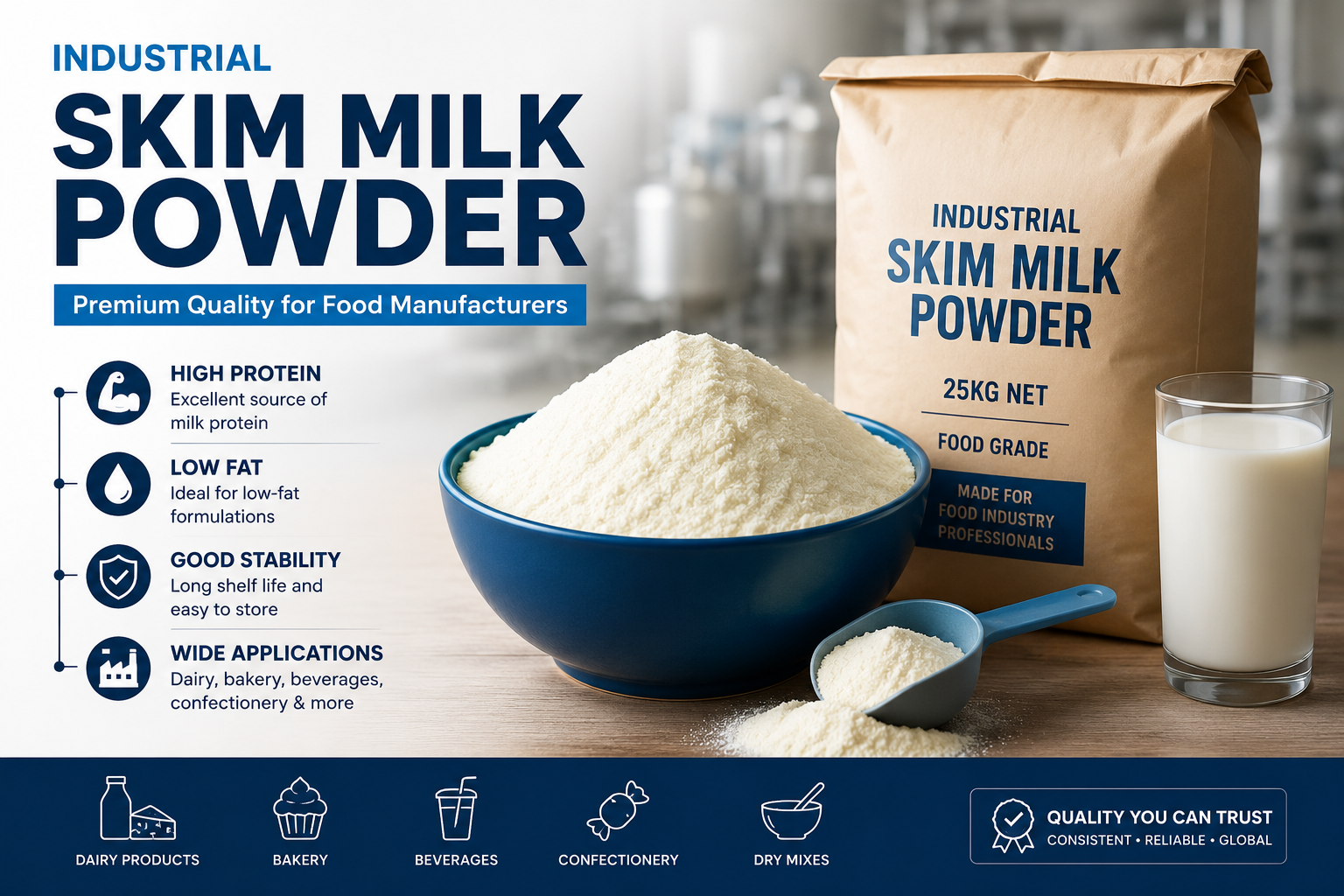
Industrial Skim Milk Powder: Benefits, Uses, Quality Guide & Bulk Buying Tips
Industrial Skim milk powder is a versatile dairy ingredient widely used by food manufacturers, beverage producers, bakeries, confectionery companies, and industrial food processors around the world. Produced from fresh milk after most of the milk fat has been removed, this powdered dairy ingredient provides valuable milk proteins, lactose, minerals, and other milk solids in a convenient and shelf-stable form.
For companies looking for a reliable bulk skim milk powder supplier, product consistency, technical specifications, food safety, packaging, logistics, and export capability are just as important as price. The right supplier can help manufacturers maintain stable production, improve formulation consistency, and reduce the challenges associated with transporting and storing liquid dairy ingredients.
In this guide, we explain what skim milk powder is, how it is produced, its main industrial applications, seven important benefits, how to choose a supplier, and what international buyers should check before placing a bulk order.
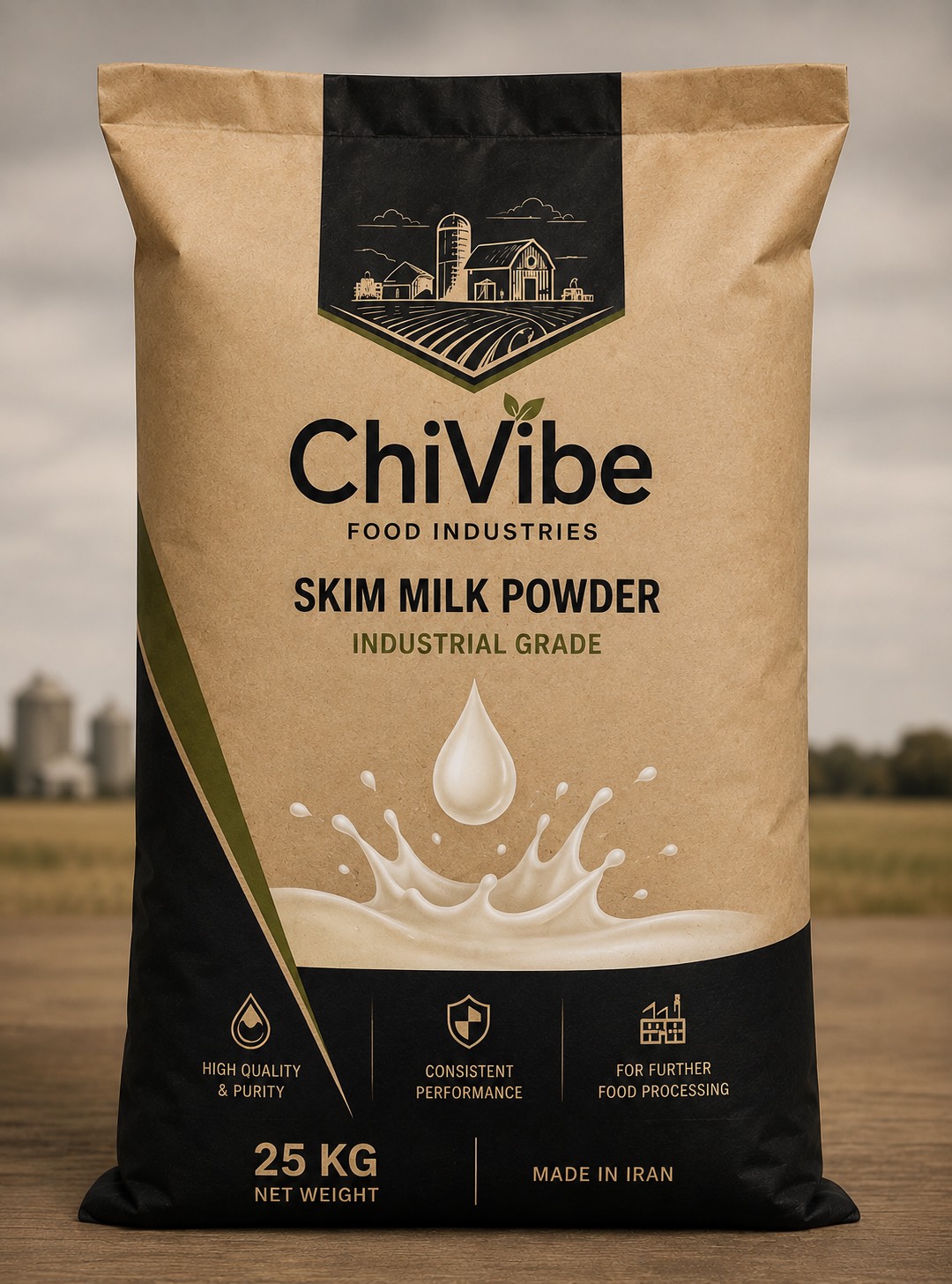
What Is Skim Milk Powder?
Skim milk powder, also known as skimmed milk powder, is a dried dairy product manufactured from skim milk. During production, most of the natural milk fat is separated from fresh milk. The remaining milk is then heat-treated, concentrated, and spray-dried to create a fine, stable powder.
Unlike whole milk powder, which retains a higher level of milk fat, skim milk powder is designed for applications where manufacturers need milk solids and milk proteins without a high fat contribution. This makes it useful in a wide range of industrial food formulations.
What Does Skim Milk Powder Contain?
The exact nutritional composition depends on the specification and manufacturing process, but skim milk powder generally contains important dairy components such as milk proteins, lactose, minerals, and a small amount of residual milk fat.
- Milk proteins
- Lactose
- Milk minerals
- Low levels of milk fat
- Other naturally occurring milk solids
Because its composition can vary between products, industrial buyers should always request an official technical specification sheet before purchasing.
How Is industrial Skim Milk Powder Manufactured?
The quality of industrial skim milk powder depends heavily on the quality of the original milk and the control of every production stage. A modern manufacturing process is designed to preserve desirable dairy characteristics while achieving safe and efficient moisture removal.
1. Fresh Milk Collection
Production begins with fresh milk collected from approved sources. The raw milk is inspected and tested for quality before entering the processing system. Parameters such as freshness, composition, acidity, and microbiological quality may be evaluated.
2. Separation of Milk Fat
The milk passes through a separation stage where most of its fat is removed. The result is skim milk with a much lower fat level while retaining valuable milk proteins, lactose, and minerals.
3. Heat Treatment
The industrial skim milk is subjected to controlled heat treatment to improve microbiological safety and prepare it for subsequent concentration and drying operations.
4. Concentration
Part of the water is removed from the skim milk through concentration. This reduces the water content before final drying and improves overall process efficiency.
5. Spray Drying
The concentrated milk is atomized into very small droplets inside a drying chamber. Hot air rapidly removes moisture and converts the liquid into a fine dairy powder.
6. Quality Control and Packaging
The finished powder is inspected and tested according to the applicable quality specifications. It is then packed in suitable food-grade packaging for storage, transportation, and industrial use.
7 Powerful Benefits of Skim Milk Powder
The growing use of industrial skim milk powder is largely driven by its practicality and versatility. For food manufacturers, it can offer several important operational and formulation advantages.
1. High-Value Milk Protein Source
One of the most important advantages of skim milk powder is its contribution of dairy proteins. Milk proteins can play a role in nutritional value, texture, body, structure, and formulation performance.
This makes skim milk powder especially useful for manufacturers producing dairy foods, bakery products, nutritional beverages, dry mixes, and other food applications requiring milk solids.
2. Lower Fat Content
Since most milk fat is removed before drying, skim milk powder allows manufacturers to incorporate dairy solids and milk proteins while keeping the fat contribution relatively low.
This can be useful when a formulation requires milk functionality or nutritional components without the richer fat profile associated with whole milk powder.
3. Convenient Storage and Transportation
Fresh milk contains a large amount of water and therefore requires refrigerated handling. Skim milk powder, by contrast, has most of its moisture removed, making it significantly more practical for long-distance transportation and controlled warehouse storage.
This characteristic is particularly valuable for importers and distributors purchasing dairy ingredients for international markets.
4. Longer Commercial Usability
When stored in appropriate conditions and properly packaged, skim milk powder can remain usable for an extended period compared with fresh liquid milk.
Manufacturers can therefore plan inventories more efficiently and reduce dependence on the daily availability of fresh liquid milk.
5. Formulation Flexibility
Industrial Skim milk powder can be incorporated into many different food formulations. Its powdered format allows manufacturers to combine it with other dry ingredients and use it in controlled quantities.
6. Consistent Industrial Ingredient Supply
Consistency is essential in commercial food production. A reliable industrial dairy ingredient can help manufacturers maintain similar formulation characteristics across multiple production batches.
7. Strong International Trade Potential
Because skim milk powder is easier to transport than liquid dairy products, it is widely suitable for international B2B trade. This creates opportunities for exporters, importers, wholesalers, distributors, and food manufacturers in different regions.
Main Applications of Skim Milk Powder in Food Manufacturing
One of the strongest advantages of skim milk powder is its broad application range. It can be used in different industries depending on the required formulation, nutritional profile, processing method, and technical specification.
Skim Milk Powder for Dairy Products
Dairy manufacturers use skim milk powder in yogurt, cultured dairy products, milk-based desserts, dairy mixes, and other formulations where additional milk solids are required.
Skim Milk Powder for Bakery Products
Commercial bakeries may use skim milk powder in bread, biscuits, cookies, cakes, pastries, and dry bakery mixes. It can contribute to flavor, structure, browning characteristics, and nutritional value.
Skim Milk Powder for Beverages
Beverage manufacturers can incorporate skim milk powder into powdered drinks, dairy beverages, nutritional products, and instant beverage formulations.
Skim Milk Powder for Confectionery
Skim milk powder can also be used in confectionery products, fillings, caramel-based products, chocolate formulations, and powdered sweet mixes where milk solids are required.
Skim Milk Powder for Dry Food Mixes
Because it is already in powder form, skim milk powder is particularly convenient for dry-blended products. Manufacturers can combine it with other powdered ingredients to create stable industrial formulations.
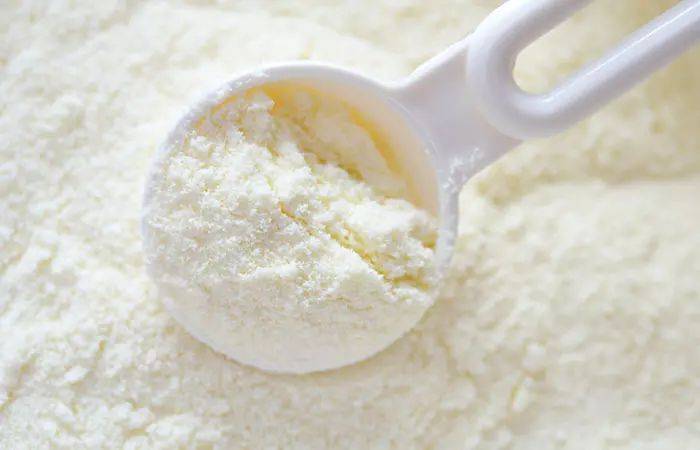
Skim Milk Powder vs. Whole Milk Powder
Buyers often compare skim milk powder vs. whole milk powder when selecting a dairy ingredient. The most obvious difference is the level of milk fat.
| Feature | Skim Milk Powder | Whole Milk Powder |
|---|---|---|
| Milk Fat | Lower | Higher |
| Milk Solids | High | High |
| Typical Use | Low-fat dairy formulations and industrial foods | Rich dairy and full-fat formulations |
| Flavor Profile | Lighter dairy profile | Richer dairy profile |
The correct choice depends on the final product. Manufacturers should consider fat requirements, nutritional targets, sensory characteristics, production process, and cost before selecting the appropriate milk powder.
How to Choose a Reliable Bulk Skim Milk Powder Supplier
Choosing the right skim milk powder supplier is critical for manufacturers purchasing large quantities. A low price does not necessarily indicate the best commercial value.
Check the Technical Specification
Before ordering, request a detailed product specification covering parameters such as protein, fat, moisture, microbiological characteristics, solubility, appearance, and other relevant technical requirements.
Evaluate Quality Control
A professional supplier should have appropriate quality control procedures throughout production, testing, packaging, and storage.
Ask About Packaging
Packaging should be suitable for food-grade storage and international transportation. Bulk buyers should select a package size and material that matches warehouse conditions and shipping requirements.
Review Production Capacity
If your company needs regular shipments, confirm that the supplier can support the required volume and delivery schedule over time.
Check Export Experience
International buyers should work with suppliers familiar with export documentation, logistics, customs procedures, shipping terms, and destination-market requirements.
Important Questions to Ask a Supplier
- What is the exact product specification?
- What are the available packaging options?
- What is the minimum order quantity?
- What certificates and quality documents are available?
- What is the estimated production and delivery lead time?
- Can the supplier support regular bulk shipments?
Bulk Skim Milk Powder for Export Markets
The international market for dairy ingredients includes importers and food manufacturers across the Middle East, Asia, Africa, Central Asia, and other regions. Companies sourcing bulk skim milk powder often require stable supply, competitive commercial terms, reliable documentation, and suitable logistics.
For international B2B buyers, potential destinations can include markets such as the United Arab Emirates, Oman, Saudi Arabia, Iraq, Pakistan, Azerbaijan, Georgia, and several African countries. However, import regulations, labeling standards, documentation, customs requirements, and food safety rules can differ between countries.
A supplier with international experience can help buyers prepare the commercial and shipping documentation required for the transaction. Buyers should verify current destination-country requirements before ordering.
Storage Requirements for Skim Milk Powder
Proper storage is essential for maintaining the quality of skim milk powder. Although the product is designed for convenient storage, poor warehouse conditions can negatively affect powder quality.
- Store in a clean and dry warehouse.
- Protect the product from excessive humidity.
- Avoid direct sunlight and unnecessary heat exposure.
- Protect bags from physical damage.
- Keep the product away from strong odors and chemicals.
- Follow the supplier's recommended storage conditions.
Moisture control is especially important because dairy powders can absorb humidity from the surrounding environment. Appropriate storage practices help preserve appearance, flowability, solubility, and overall product quality.
What Should You Check Before Buying Industrial Skim Milk Powder?
Buying industrial skim milk powder should be treated as a technical and commercial decision, not simply a price comparison. Before confirming a bulk order, buyers should review the following factors:
- Product specification and composition
- Protein and fat levels
- Moisture and solubility characteristics
- Microbiological specifications
- Packaging type and bag size
- Minimum order quantity
- Production capacity
- Certificates and quality documentation
- Shipping and delivery terms
- Destination-market compliance
Why Skim Milk Powder Is a Strategic Ingredient for Food Manufacturers
Food manufacturers need ingredients that are practical, stable, consistent, and easy to integrate into industrial production. Skim milk powder meets many of these requirements by combining dairy nutrition with the logistical advantages of a dry ingredient.
Its lower fat profile, milk protein content, long commercial usability, flexible applications, and suitability for international transportation make it an important dairy ingredient for manufacturers around the world.
For companies purchasing in large quantities, the biggest advantage may be the ability to build a more predictable ingredient supply chain. Instead of relying entirely on fresh milk deliveries, manufacturers can use an established supply of powdered dairy ingredients according to their production schedule.
Conclusion: Finding the Right Skim Milk Powder Supplier
Skim milk powder is a highly versatile industrial dairy ingredient used across dairy, bakery, beverage, confectionery, and food manufacturing applications. Its lower fat profile, milk protein content, convenient storage, and strong suitability for transportation make it an attractive ingredient for both domestic and international buyers.
However, product quality and supplier reliability are essential. Businesses purchasing bulk skim milk powder should evaluate technical specifications, quality control, packaging, production capacity, documentation, export experience, and delivery reliability before selecting a supplier.
By choosing a dependable supplier and matching the product specification to the final application, manufacturers can build a more stable dairy ingredient supply chain and improve consistency throughout their production process.
Frequently Asked Questions About Skim Milk Powder
1. What is skim milk powder?
Skim milk powder is a dried dairy ingredient made from skim milk after most of the milk fat has been removed. It contains milk proteins, lactose, minerals, and other milk solids.
2. What is skim milk powder used for?
Skim milk powder is used in dairy products, bakery products, confectionery, beverages, nutritional formulations, dry mixes, and many industrial food applications.
3. Is skim milk powder suitable for food manufacturers?
Yes. Skim milk powder is widely used by commercial food manufacturers because it is easy to store, transport, measure, and incorporate into different formulations.
4. What is the difference between skim milk powder and whole milk powder?
The primary difference is fat content. Skim milk powder contains much less milk fat, while whole milk powder retains a higher level of milk fat and generally provides a richer dairy profile.
5. Is skim milk powder good for bakery products?
Yes. It is commonly used in bread, biscuits, cookies, cakes, pastries, and other bakery products where milk solids, flavor, and dairy proteins are required.
6. How should skim milk powder be stored?
It should be stored in a clean, dry environment protected from moisture, excessive heat, direct sunlight, strong odors, and contamination.
7. What should I look for in a skim milk powder supplier?
Buyers should evaluate product specifications, quality control, food safety documentation, packaging, production capacity, export experience, lead times, and overall supply reliability.
8. Can skim milk powder be purchased in bulk?
Yes. Industrial skim milk powder is commonly supplied in bulk packaging for food manufacturers, distributors, wholesalers, and international importers.
9. Can skim milk powder be exported internationally?
Yes. Skim milk powder is widely traded internationally. Export requirements vary by destination and may include certificates, labeling requirements, customs documents, and food safety compliance.
10. How can I choose the right skim milk powder for my production?
Start by identifying your required application and technical specifications. Then compare protein, fat, moisture, solubility, microbiological requirements, packaging, supplier reliability, and commercial terms.
Related Dairy Ingredient Topics
Manufacturers researching dairy ingredients may also benefit from comparing instant whole milk powder, industrial milk powder, bulk dairy ingredients, and other powdered milk solutions before selecting a product for their production line.